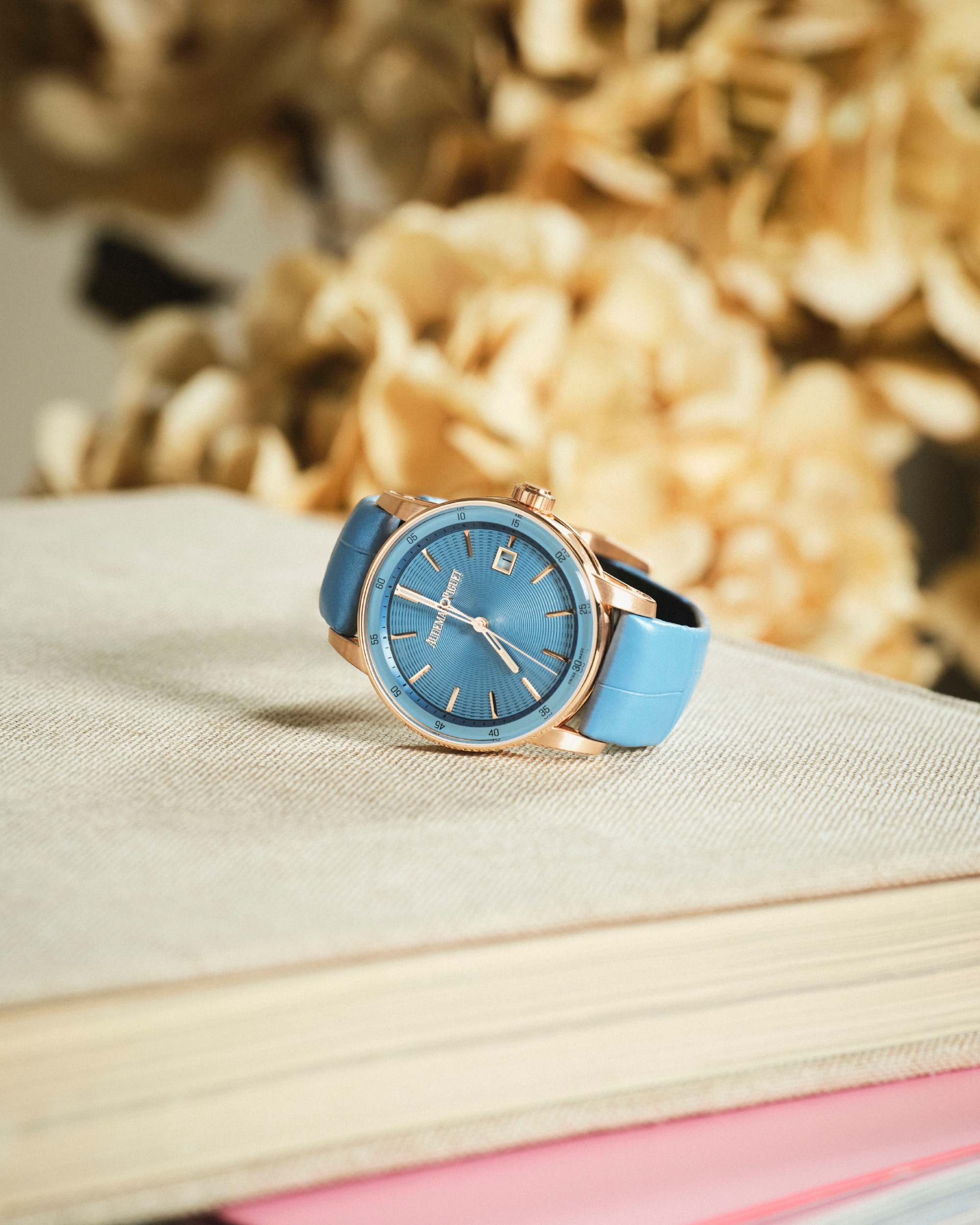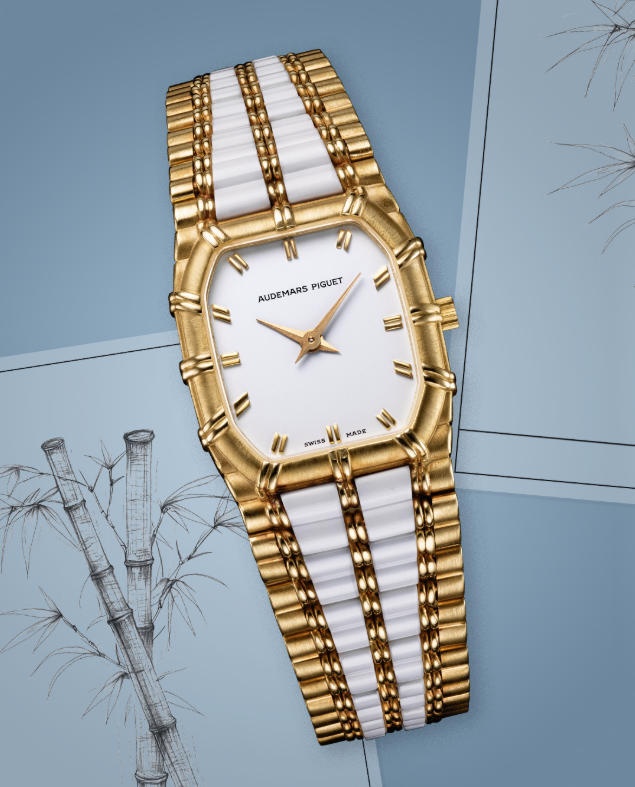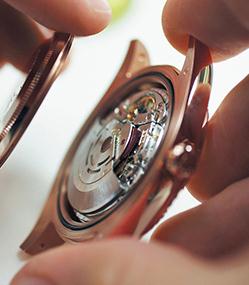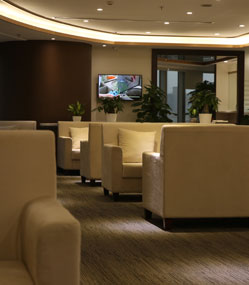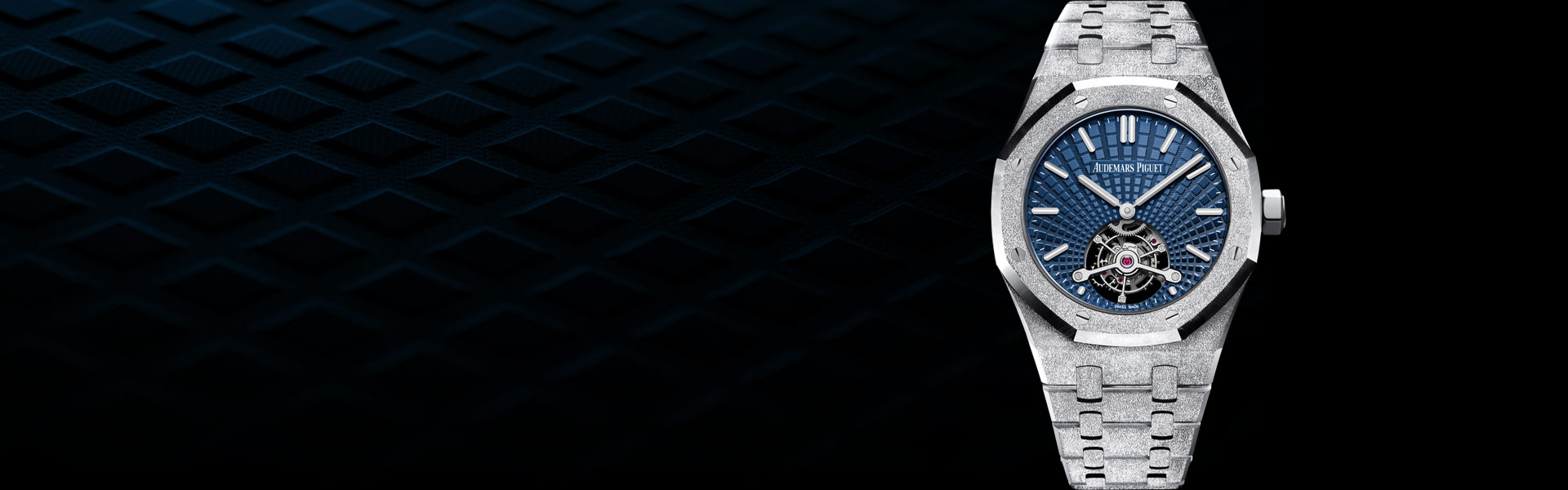
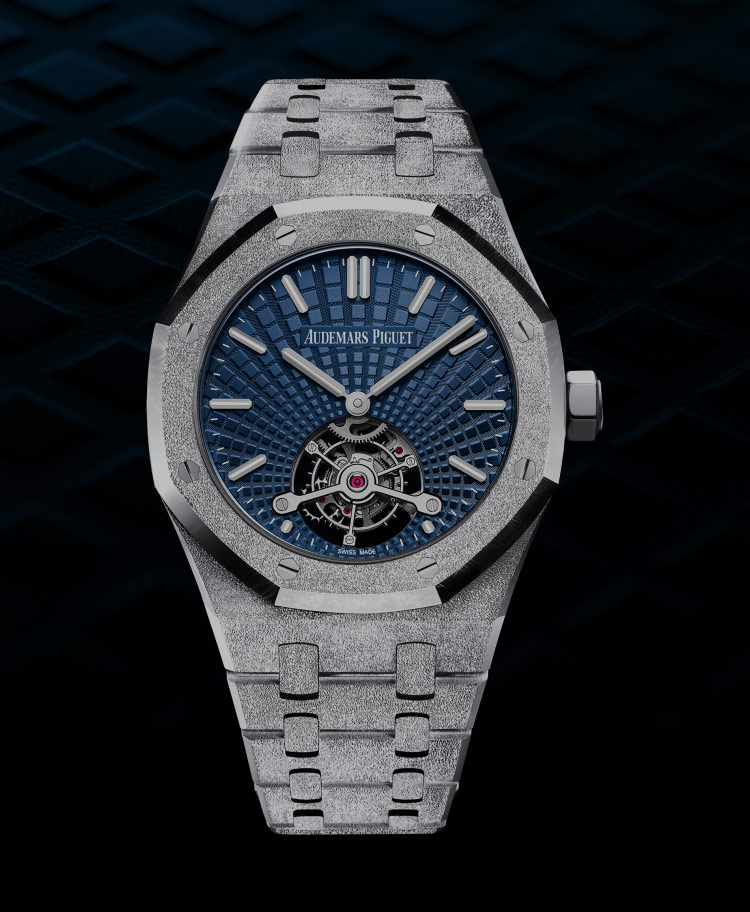
爱彼维修保养服务 audemarspiguet maintenance center China audemarspiguet repair center - Repairs service center


The first impression of an online casino often comes before any game catches the eye. It is the lobby: a changing front room of vivid artwork, familiar titles, new arrivals, and small signals about w…

The first impression of an online casino often comes before any game catches the eye. It is the lobby: a changing front room of vivid artwork, familiar titles, new arrivals, and small signals about what is available. For an adult visitor, exploring that space can feel less like entering a catalogue and more like wandering through a brightly lit entertainment venue, where the layout shapes the mood as much as the attractions do.
A well-designed lobby makes room for both curiosity and familiarity. One moment, the screen may highlight a recently added release; the next, a row of recognizable classics offers a reassuring point of reference. The best versions avoid turning every inch into a shout. Clear headings, readable artwork, and enough breathing space let the eye settle and make browsing feel like part of the evening rather than a chore.
Many casino lobbies are arranged around themed shelves: popular selections, new releases, table games, live entertainment, or seasonal collections. These sections provide a loose sense of direction without making the space feel rigid. A visitor can scan a row, pause over an appealing design, and keep moving, much as someone might browse posters outside a cinema before deciding what suits the moment.
Visual variety gives the lobby much of its character. Some games use jewel-like colors and elaborate scenes, while others favor clean shapes and restrained animation. A live section may have a different atmosphere altogether, with studio lighting and human presenters bringing a more social feeling to the screen. Even without opening anything, the lobby can communicate whether the experience is playful, elegant, dramatic, or relaxed.
Small interface details matter here. A title that remains legible beneath its artwork, a category name that is easy to understand, and a layout that behaves consistently across screens all help create a calmer browsing rhythm. Rather than demanding attention, a thoughtful lobby makes it easy to notice what interests you and ignore what does not.
When a collection stretches across many categories, filters give the lobby a more personal shape. They can narrow a broad display by format, theme, provider, or other available labels, turning a seemingly endless wall of options into a smaller, more coherent selection. Their value is not in directing anyone toward a particular choice; it is in making the surrounding environment easier to read.
Good filters are visible but unobtrusive. A simple category bar can help distinguish live tables from digital releases, while theme labels can bring together titles with shared visual moods. The experience feels especially polished when selected filters are clearly marked and can be removed without losing one’s place. That small sense of continuity makes browsing feel fluid instead of mechanical.
Promotional language sometimes appears alongside these categories, and its wording can be compact. For example, a regional listing might use the phrase licensed minimum deposit $1 get $20 nz real money, combining licensing language, a deposit figure, and an offer amount in a single label. Seen as part of the wider interface, such wording is one detail among many that helps explain how listings present information to visitors.
Search is the lobby’s quickest route from a vague recollection to a recognizable title. Perhaps a visitor remembers a provider’s name, a striking image, or just one word from a game’s title. A responsive search field can surface useful matches before the full query is complete, while sensible results make it clear why each item appeared.
The feature is most satisfying when it handles imperfect memories gracefully. Spelling variations, partial names, and related terms can otherwise turn a simple search into a dead end. Search results also benefit from retaining the same visual language as the main lobby: familiar artwork and concise labels make it easier to recognize a match at a glance.
Search and filters work best as companions. A broad search may reveal several possibilities, while category labels give those results context. Together, they make a large collection feel less like a warehouse and more like a well-organized media library, with enough structure to orient visitors and enough variety to invite a little discovery.
Favorites add a personal note to the whole experience. A small star or heart can mark titles that caught someone’s attention, creating a private shelf that is easier to revisit than a general catalogue. Over time, that shelf becomes a record of individual taste: perhaps a preference for crisp, modern design, lively presentation, or familiar themes.
The feature is particularly useful when the lobby changes from visit to visit. New releases and seasonal collections may shift the order of the front page, but a favorites area offers a stable landmark. It saves the pleasant parts of browsing without requiring someone to remember every title or retrace the same path through the categories.
Ultimately, the lobby, filters, search, and favorites turn a broad entertainment collection into an environment that can feel distinctly personal. Each feature has a modest role: one introduces, another organizes, another finds, and another remembers. When they work together, the online casino experience becomes less about scanning an overwhelming grid and more about enjoying a smooth, visually engaging tour through options.

本文tag:
北京爱彼维修中心(国贸店)服务地址:北京市朝阳区建国门外大街甲6号华熙国际中心D座
北京爱彼维修中心(王府井店)服务地址:北京市东城区东长安街1号王府井东方广场W3座
上海爱彼维修中心(港汇店)服务地址:上海市徐汇区虹桥路3号港汇中心2座
上海爱彼维修中心(港汇店)服务地址:上海市徐汇区虹桥路3号港汇中心2座
广州爱彼维修中心(万菱店)服务地址:广州市天河区天河路230号万菱汇国际中心A塔
深圳爱彼维修中心(华润店)服务地址:深圳市罗湖区深南东路5001号华润大厦
天津爱彼维修中心(金融中心店)服务地址:天津市和平区赤峰道136号天津国际金融中心
成都爱彼维修中心(东原店)服务地址:成都市锦江区人民东路6号SAC东原中心
服务专线:400-880-2162
本页链接:http://www.tjzbwxzx.com/problems/33246.html

北京王府井爱彼维修中心位于北京市东城区东长安街1号王府井东方广场W3座,是爱彼维修保养服务网点,中心技师均接受标准培训....详情 >
上海爱彼维修中心位于上海市徐汇区虹桥路3号港汇中心2座,是爱彼维修保养服务网点,中心技师均接受标准培训....详情 >
广州万菱汇爱彼维修中心位于广州市天河区天河路230号万菱汇国际中心A塔,是爱彼维修保养服务网点,中心技师均接受标准培训....详情 >
深圳爱彼维修中心位于深圳市罗湖区深南东路5001号华润大厦,是爱彼维修保养服务网点,中心技师均接受标准培训....详情 >
天津爱彼维修中心位于天津市和平区赤峰道136号天津国际金融中心,是爱彼维修保养服务网点,中心技师均接受标准培训....详情 >
成都爱彼维修中心位于成都市锦江区人民东路6号SAC东原中心,是爱彼维修保养服务网点,中心技师均接受标准培训....详情 >